
Top Digital Marketing Trends to Watch in 2026
A comprehensive guide covering the biggest digital marketing trends shaping 2026, from AI powered marketing and SEO changes to short form video, social commerce, and hyper personalization.

Digital marketing is moving faster than ever. New technologies, shifting consumer behaviors, and smarter tools are reshaping how brands connect with their audiences. If you want your business to stay ahead, you need to know what is coming and how to prepare for it. This guide covers the top digital marketing trends to watch in 2026 so you can build a stronger, smarter marketing strategy.
Why Staying on Top of Digital Marketing Trends Matters
The digital marketing landscape changes every year. What worked in 2024 may not deliver the same results today. Search engines update their algorithms, social media platforms roll out new features, and consumers expect more personalized and relevant experiences from the brands they interact with. Businesses that keep up with digital marketing trends grow faster, reach more customers, and spend their marketing budgets more wisely. Those that fall behind risk losing visibility, traffic, and revenue to competitors who are quicker to adapt. Whether you run a small business, manage a marketing team, or work as a freelance digital marketer, understanding the biggest trends in 2026 gives you a clear advantage.
1. AI Powered Marketing Is Now Standard Practice
Artificial intelligence is no longer a future concept in digital marketing. In 2026, AI powered marketing tools are part of everyday strategy for businesses of all sizes. Marketers are using AI to write content, personalize email campaigns, analyze customer data, run smarter ad campaigns, and automate repetitive tasks. Tools like ChatGPT, Claude, Jasper, and others are helping marketing teams produce more content in less time. AI is also transforming how brands understand their audiences. Predictive analytics tools powered by AI can now forecast customer behavior, identify high value leads, and recommend the best time to reach a specific audience segment. If you are not already using AI marketing tools in your workflow, 2026 is the year to start. Businesses that use AI in their marketing see higher efficiency, better targeting, and stronger return on investment.
2. Search Generative Experience Is Changing SEO
Search engine optimization looks very different in 2026. Google's Search Generative Experience, also known as SGE, has changed how search results appear. AI generated answers now appear at the top of many search pages, which means traditional blue link results are getting less visibility. To stay competitive in SEO in 2026, you need to optimize for AI generated search results as well as traditional rankings. This means creating content that is clear, authoritative, and structured in a way that AI can easily understand and summarize. Focus on answering specific questions clearly, using structured data markup, building topical authority in your niche, and earning high quality backlinks. Long form content that covers topics in depth continues to perform well because it signals expertise to both search engines and AI tools. Voice search is also growing. More people are searching using voice assistants on phones and smart speakers, which means optimizing for conversational, question based keywords is more important than ever.
3. Short Form Video Continues to Dominate
Short form video is one of the biggest digital marketing trends in 2026 and shows no signs of slowing down. Platforms like TikTok, Instagram Reels, and YouTube Shorts continue to drive massive engagement across all age groups. Brands that invest in short form video content are seeing higher reach, more engagement, and better brand awareness compared to static image or text posts. Short videos are easy to consume, highly shareable, and work well across multiple platforms. In 2026, the most successful short form video content is authentic, fast paced, and value driven. Tutorials, behind the scenes content, product demos, and quick tips perform especially well. If you have not built a short form video strategy yet, now is the time. You do not need expensive equipment. A smartphone, good lighting, and a clear message are enough to get started and build an audience.
4. Hyper Personalization Is Driving Better Results
Consumers in 2026 expect personalized experiences from the brands they follow and buy from. Generic marketing messages no longer get the same response they once did. People want to feel like a brand understands their needs and speaks directly to them. Hyper personalization uses data, AI, and automation to deliver tailored content, product recommendations, and offers to individual users based on their behavior, preferences, and purchase history. Email marketing is one of the best channels for hyper personalization. Brands that segment their email lists and send targeted messages based on user behavior see significantly higher open rates, click through rates, and conversions. Personalized landing pages, dynamic website content, and customized ad experiences are also becoming standard tools in the digital marketer's toolkit in 2026.
5. Influencer Marketing Is Getting More Targeted
Influencer marketing continues to be a major digital marketing trend in 2026, but the approach has shifted. Brands are moving away from big name celebrity influencers and focusing more on micro and nano influencers who have smaller but highly engaged audiences. Micro influencers typically have between 10,000 and 100,000 followers. Nano influencers have under 10,000. While their reach is smaller, their audiences trust them more and engage with their content at much higher rates than with larger influencers. Working with targeted influencers in your specific niche delivers better results and costs less than partnering with celebrities. In 2026, authenticity matters more than follower count. Brands are also building long term relationships with influencers rather than one off campaigns. Ongoing partnerships feel more genuine to audiences and deliver more consistent results over time.
6. First Party Data Is More Valuable Than Ever
With increasing privacy regulations and the phase out of third party cookies, first party data has become one of the most valuable assets a business can have in 2026. First party data is the information you collect directly from your own audience, such as email addresses, purchase history, website behavior, and survey responses. Unlike third party data, first party data is collected with consent and is far more reliable and accurate. Building a strong first party data strategy means growing your email list, using loyalty programs, running surveys, and creating gated content that encourages users to share their information in exchange for value. Brands with strong first party data are able to run more targeted campaigns, reduce ad spend waste, and build deeper relationships with their customers.
7. Social Commerce Is Growing Rapidly
Social commerce, the ability to buy products directly through social media platforms, is one of the fastest growing digital marketing trends in 2026. Instagram, TikTok, Pinterest, and Facebook all have built in shopping features that allow users to discover and purchase products without ever leaving the app. For businesses selling physical or digital products, social commerce is a huge opportunity. Setting up a shop on Instagram or TikTok and tagging products in your content creates a smooth path from discovery to purchase for your audience. User generated content plays a big role in social commerce success. When real customers share photos and videos of your products, it builds trust and drives more sales than brand created content alone.
8. Content Marketing Focused on Trust and Authority
In 2026, content marketing is all about building trust and establishing authority in your niche. With so much content available online and AI generated content becoming more common, audiences and search engines are placing greater value on content that comes from real experts. The most effective content marketing strategy in 2026 focuses on creating in depth, accurate, and helpful content that genuinely solves problems for your audience. Case studies, original research, expert interviews, and detailed how to guides perform especially well. Consistency is also key. Publishing high quality content on a regular schedule builds your brand reputation over time and keeps your audience coming back.
Final Thoughts
The top digital marketing trends in 2026 all point in the same direction: smarter tools, more personalized experiences, and deeper audience trust. Brands that embrace AI, invest in short form video, build strong first party data, and create genuinely helpful content will be the ones that grow the fastest. You do not have to adopt every trend at once. Pick two or three that align best with your business goals and start there. The most important thing is to keep learning, keep testing, and stay ahead of the curve.
Related Articles
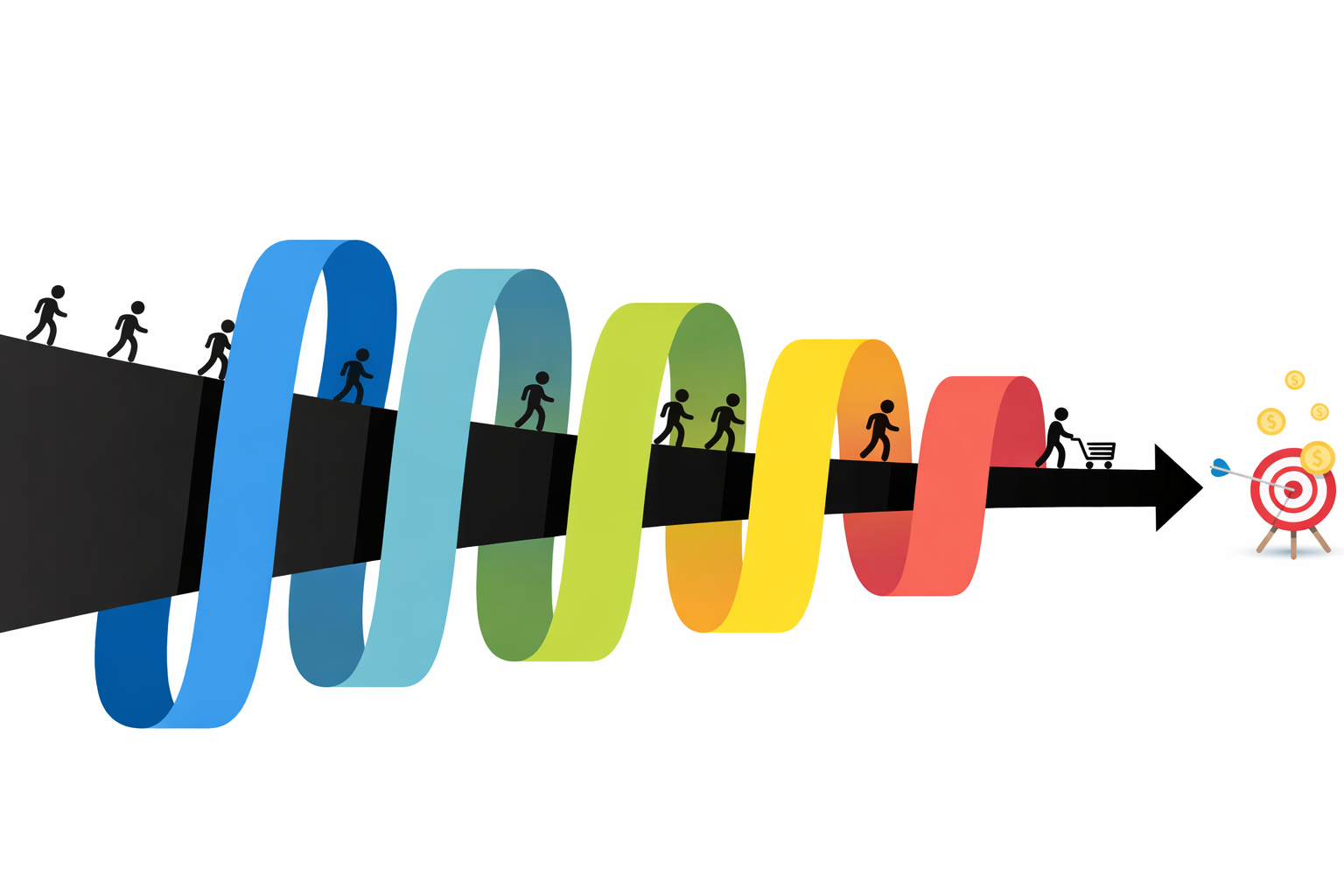
Full-Funnel Digital Marketing Strategy (Awareness to Conversion)
Learn how to build a full-funnel digital marketing strategy using STP, BCG Matrix, AIDA, and TOFU-MOFU-BOFU to turn awareness into conversions.
Ready to Build Your Next Project?
Let's discuss how we can help you achieve your goals with our expert development and marketing services.